
What Is a Vehicle Barrier System? A Guide for Commercial Properties
Controlling vehicle access has become a critical part of site security. From warehouses to private car parks, businesses are turning to vehicle barriers to manage traffic flow and protect assets.
Whether you’re considering a vehicle barrier swing gate, exploring automatic vehicle barriers, or weighing up manual vehicle barriers, choosing the right solution depends on your site’s needs, usage and budget.
In this guide, we’ll explore the definition of a vehicle barrier system, common commercial uses, the benefits of installation, and how to choose the right barrier for your business.
What Is a Vehicle Barrier System?
A vehicle barrier system is designed to regulate or stop vehicle traffic. There are several types of barrier systems commonly found on commercial premises.
The primary function of a vehicle barrier system is to allow or deny vehicle entry. This is essential for managing vehicles entering and exiting a specific area and ensures only approved vehicles can get through. By physically stopping entry, vehicle barriers act as a deterrent against trespassing, unauthorised parking and theft.
Whilst vehicle barriers significantly enhance site security, they are also essential for controlling vehicle flow during peak traffic times. These barriers enable the orderly, controlled movement of vehicles within a confined area, such as a car park.
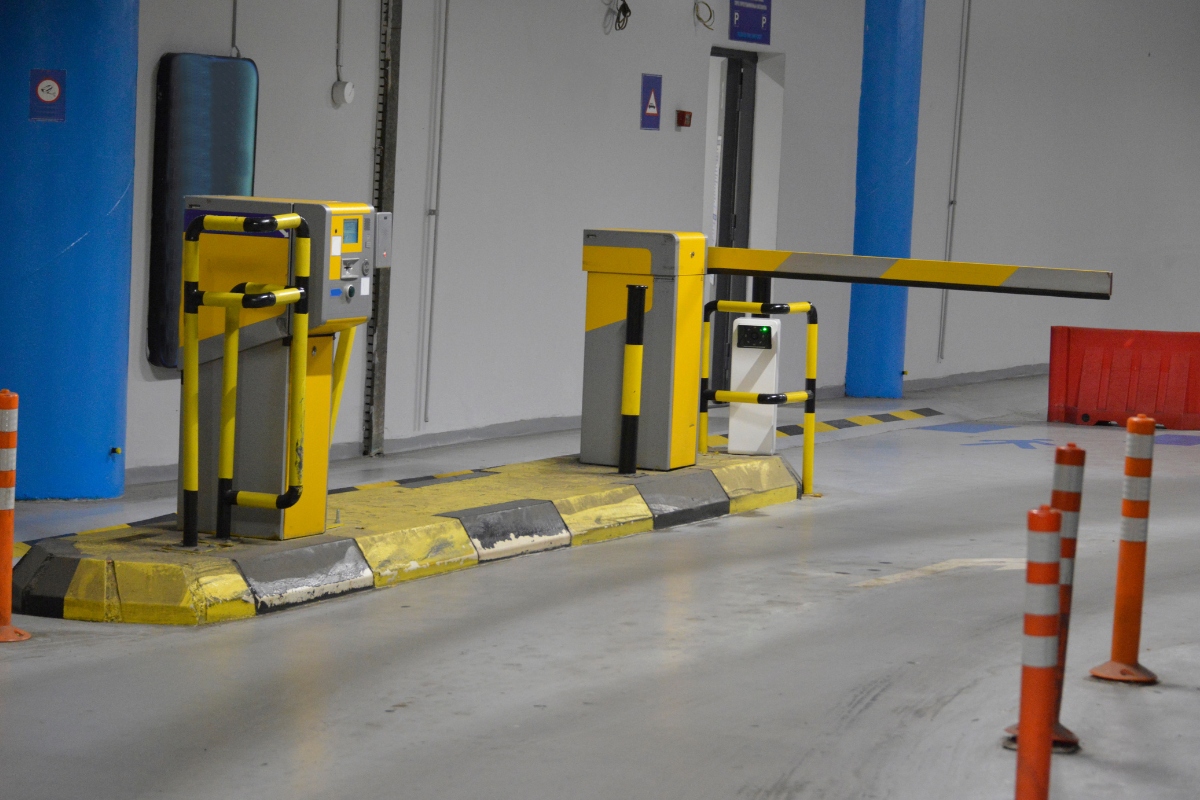
Automatic vehicle barriers can be integrated will ANPR (Automatic Number Plate Recognition)
Where Are Vehicle Barriers Commonly Used?
Vehicle barrier systems are used extensively in multi-storey car parks to enforce parking duration and ensure payment has been made before exiting. The same system is often used at business parks to manage employee parking and screen visitors before allowing entry.
They are also employed to regulate access points at warehouses and logistics hubs. Warehouse personnel can use the barriers to ensure only authorised vehicles are allowed to enter and at specific times, for example, if drivers need to adhere to certain booking slots.
You’ll notice vehicle barriers at tolls or border crossings. These barriers tend to be high-speed and essential for managing the rapid flow of traffic, processing toll payments at toll booths and controlling border movements.
Types of Vehicle Barriers for Commercial Use
There are several types of vehicle barrier systems:
Active Vehicle Barriers: These automated vehicle barriers move or operate on demand, typically powered either manually or electronically. This includes automatic vehicle barriers, rising arms, bollards, and vehicle barrier swing gates that control access in real time.
Passive Vehicle Barriers: Passive vehicle barriers (static) are fixed, non-moving structures. They are designed to stop or deter vehicles without any mechanical operation. These include bollards, concrete blocks, and reinforced fencing that provide constant protection.
Traffic Management & Safety Barriers: These barriers are designed to guide vehicles, control traffic flow and improve safety. Examples include lane dividers, crash barriers and temporary road barriers.
Security Barriers: Security barriers are specialised systems designed to prevent or stop unauthorised vehicles, often with enforcement features such as road spikes or hostile vehicle mitigation (HVM) solutions.
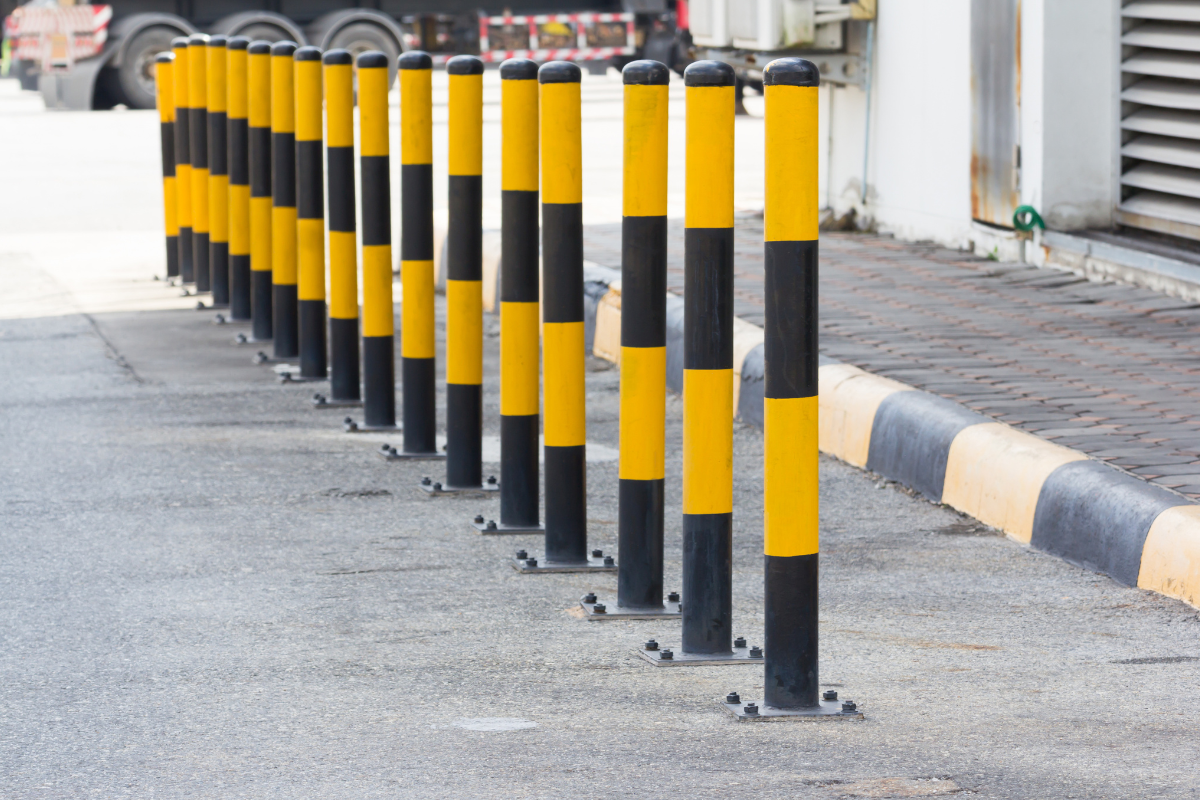
Automated bollards move on demand and can be operated manually or electronically.
Benefits of Installing Automatic and Electric Vehicle Barriers
Installing automatic vehicle barriers or electric vehicle barriers offers a wide range of advantages for commercial premises.
One of the most significant benefits is improved site security. Barrier systems allow on-site staff to control exactly who can access the premises, which reduces the risk of unauthorised vehicles entering. This is particularly important for warehouses, office buildings, and industrial sites where access control is critical.
In terms of convenience and efficiency, automated vehicle barriers eliminate the need for manual operation. With options such as remote controls, key fobs, or ANPR (Automatic Number Plate Recognition), access can be seamless and fast.
Another key benefit is the ability to integrate with broader security systems. Modern vehicle barrier systems can be linked with CCTV, intercoms and access control systems, creating a fully connected security solution.
Vehicle barrier systems contribute to a professional appearance for commercial premises. A well-installed barrier system not only improves security but also enhances the overall look of your site. This helps create a more organised and professional impression for visitors and clients.
Choosing the Right Vehicle Barrier for Your Business
Selecting the right vehicle barrier system is essential to ensure it meets the specific needs of your commercial site.
There are several key considerations, including traffic volume, site layout, and required security level. High-traffic environments such as distribution centres may require fast, durable vehicle barriers, while smaller premises might benefit from simpler solutions.
The frequency of use plays a major role in choosing the right system. Heavy-duty barriers are designed for constant operation in busy environments, whereas manual or lower-spec automated systems may be suitable for sites with occasional access needs.
The importance of expert consultation cannot be overstated. A professional installer can assess your site, recommend the most suitable solution and ensure the system is installed correctly for the best performance and longevity.
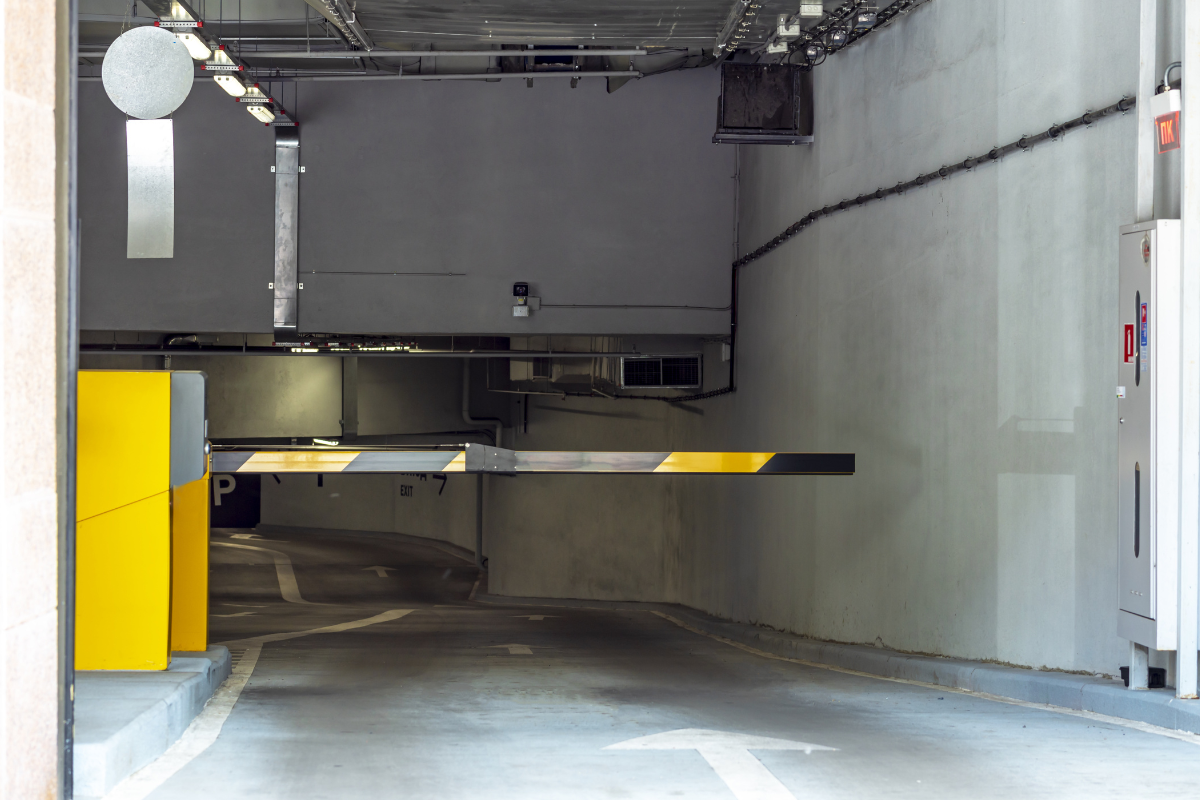
Vehicle barrier systems are used in multi-storey car parks.
Professional Vehicle Barrier Installation: What to Expect
A professional installation process gives you the confidence that your vehicle barriers will operate safely and efficiently.
The process typically begins with a site survey and planning phase, in which specialists assess your premises, traffic flow, and security requirements. The installation timeline can vary, but most commercial installations are completed efficiently with minimal disruption to daily operations.
Ongoing maintenance and servicing are also important to keep the barrier system in optimal condition. Regular checks help prevent faults, extend the equipment's lifespan and ensure continued compliance.
Professional installation matters for reliability and compliance. Poorly installed barriers can pose safety risks, cause operational issues and lead to costly repairs. Expert installation ensures your system performs effectively from day one.
Considering installing vehicle barriers at your premises? Here at NOVA Door Systems, we’re installation experts and provide our customers with regular servicing and 24/7 emergency repairs.
To find out more, get in touch with our team on 02921 690433, or email us at enquire@novadoorsystems.co.uk.
