Do Businesses Need Planning Permission for Electric Gates?
Adding an electric gate to your business premises adds an extra layer of security, helping you to keep track of your incoming and outgoing traffic, which is essential for industrial and commercial sites.
But do you need planning permission to have electric gates installed? The short answer is possibly, depending on the height and location of your proposed gate. Requirements also differ between business sites and residential properties, and local planning authorities (LPA) can have their own set of regulations.
In this blog, we’ll break down the planning permission conditions for installing electric gates at business premises to ensure you stay secure and compliant.
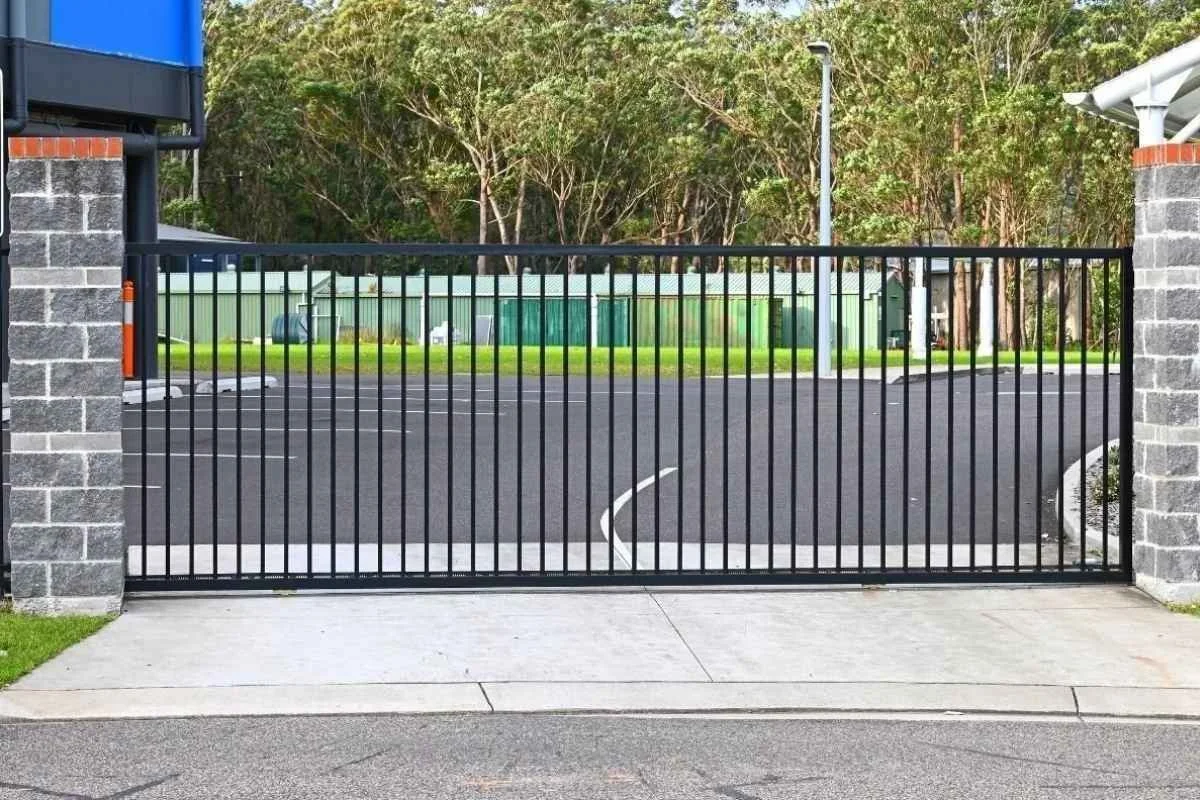
Installing an electric gate to your business premises enhances your security.
Do You Need Planning Permission for Electric Gates at Business Premises?
In most cases, businesses won’t need planning permission to install an electric gate at their industrial or commercial site as long as the installation falls within the Permitted Development Rights.
Let’s take a closer look at the height, width and location restrictions to determine when planning permission is necessary.
Height Restrictions & Boundary Rules Explained
Often, it’s the height of the electric gate that will decide if planning permission is required. If your gate and supporting structures, such as the posts and pillars, are under 2 metres tall, then it should be permitted under the Permitted Development Rights, unless your LPA has issued an Article 4 Direction, removing certain rights.
Another factor to consider is property boundaries. For example, if your warehouse or industrial site is adjacent to a highway, your electric gate height limit will only be 1 metre to ensure optimal visibility and safety.
The best way to find out the most up-to-date information is to get in touch with your LPA or partner with expert electric gate and barrier installers who can carry out any relevant checks to ensure compliance.
When Planning Permission Is Almost Always Required
Although acquiring planning permission is rare as long as it follows the above-mentioned requirements, there are specific situations where permission is always needed, such as:
Listed Buildings:
If your property is a listed building, within the curtilage of one, or shares a boundary, you’ll usually need planning permission to ensure the integrity of the site is preserved.
Conservation Areas:
Similarly, if your premises are in or neighbouring a conservation area, you’ll find regulations are stricter, and that consent will be needed before you can start the installation.
Public Highways:
LPAs most likely need to assess to determine if the proposed electric gate will be a hazard to cars and pedestrians, especially if they open outward towards the road, regardless of height.
Significant Structural Works:
If structural alterations, construction, rebuilding, or demolition are required to install the electric gate, you’ll need planning permission.
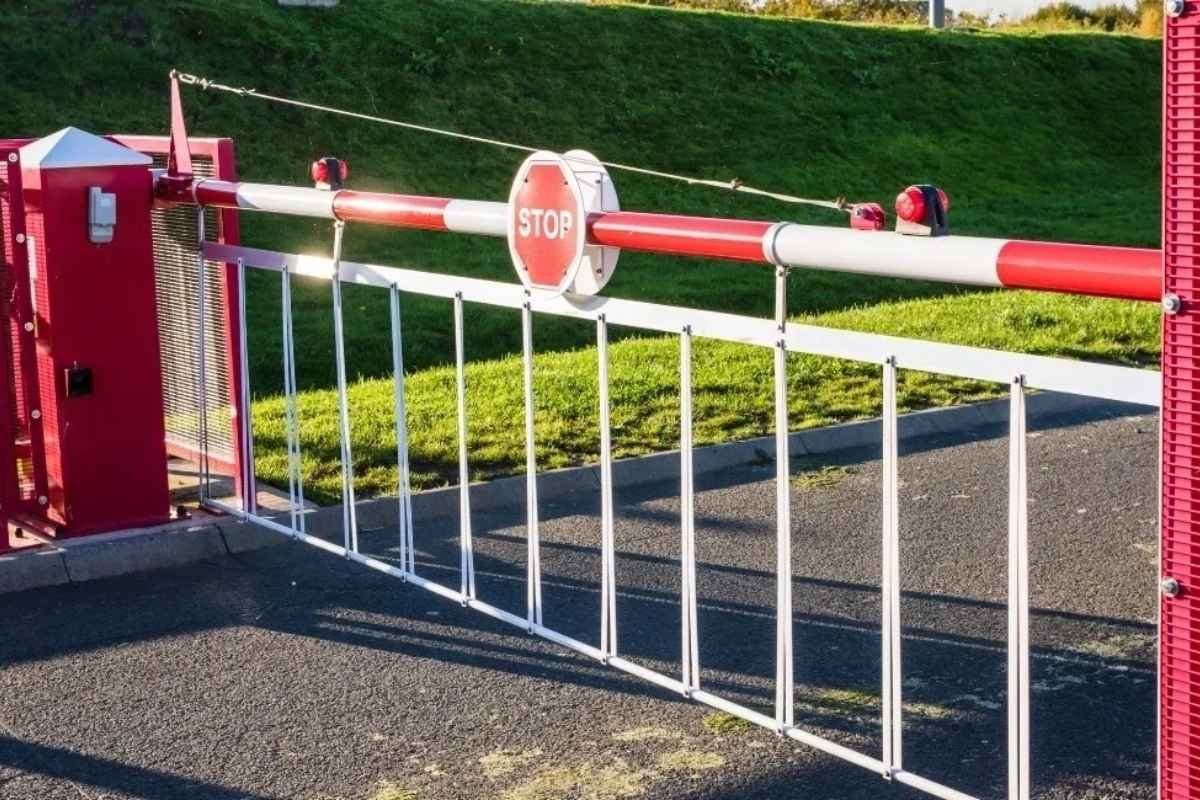
It’s often the height of the electric gate that will determine if planning permission is required.
What Happens If You Install Electric Gates Without Permission?
If your business premises fall into any of these categories and you don’t acquire planning permission before installation, there will most likely be consequences.
If your LPA is notified of the unauthorised development, they can take enforcement action, meaning your electric gate will be removed or require modifications to make it compliant.
Additionally, you face fines if your gate is deemed unsafe. Also, neighbouring businesses may take legal action against you if your gate obstructs a shared access point.
In short, installing an electric gate without planning permission when it’s needed can be a costly mistake.
How to Check If Your Business Needs Planning Permission
To ensure your business isn’t met with fines or legal action, it’s best practice to check if planning permission is required. This can be done by either:
Speaking with your LPA or reviewing their planning portal
Checking whether your property falls under any planning restrictions
Working with a professional electric gate installer who can advise on compliance
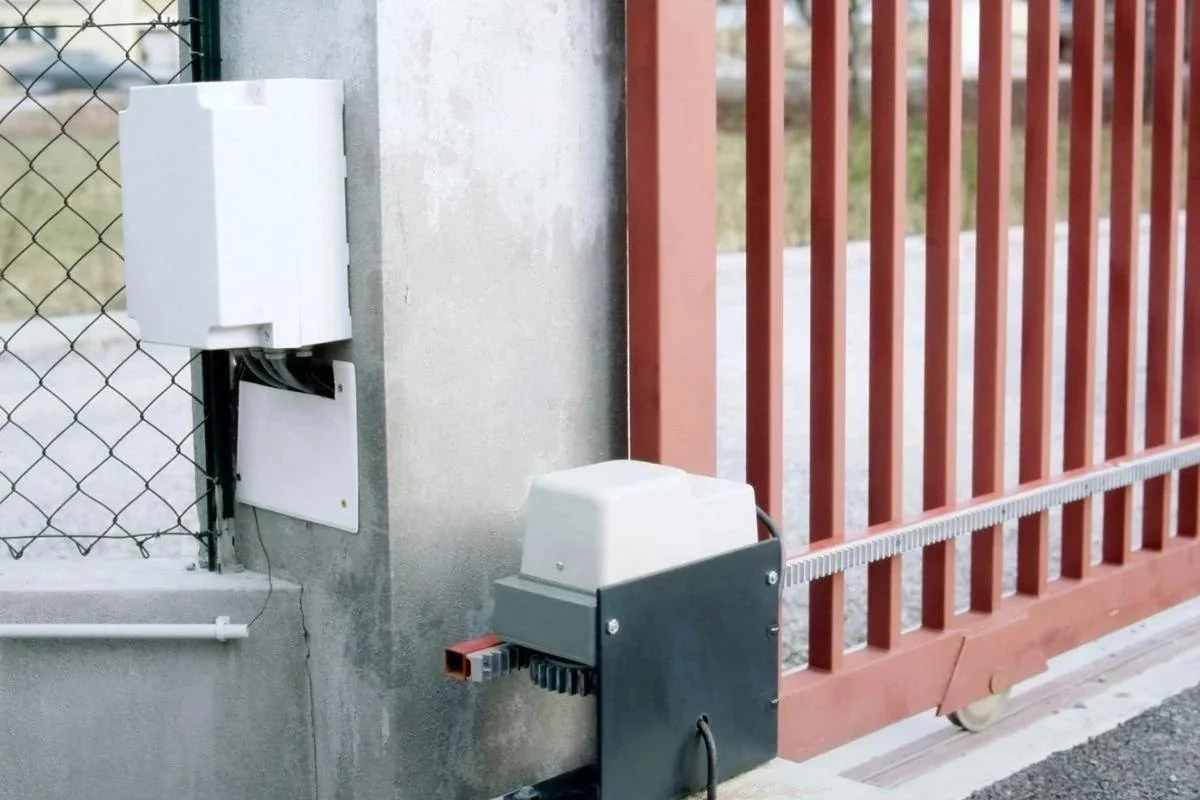
Partner with expert electric gate and barrier installers who can carry out any relevant checks to ensure compliance.
NOVA Door Systems Can Help
Not every commercial or industrial electric gate needs planning permission before installation; it all depends on the height and location. If you’re unsure, you should always check with your LPA. Alternatively, you can put your mind at ease by partnering with an electric gate specialist.
If you're planning an electric gate installation for your business premises, NOVA Door Systems can advise on compliance and safely install your electric gate. We also provide our customers with regular servicing and maintenance, as well as 24/7 emergency repairs to ensure your business is always operating efficiently.
Learn more about how often electric gates should be serviced in our expert-led guide.
To find out more about our services, get in touch with the team on 02921 690433 or at enquire@novadoorsystems.co.uk.